
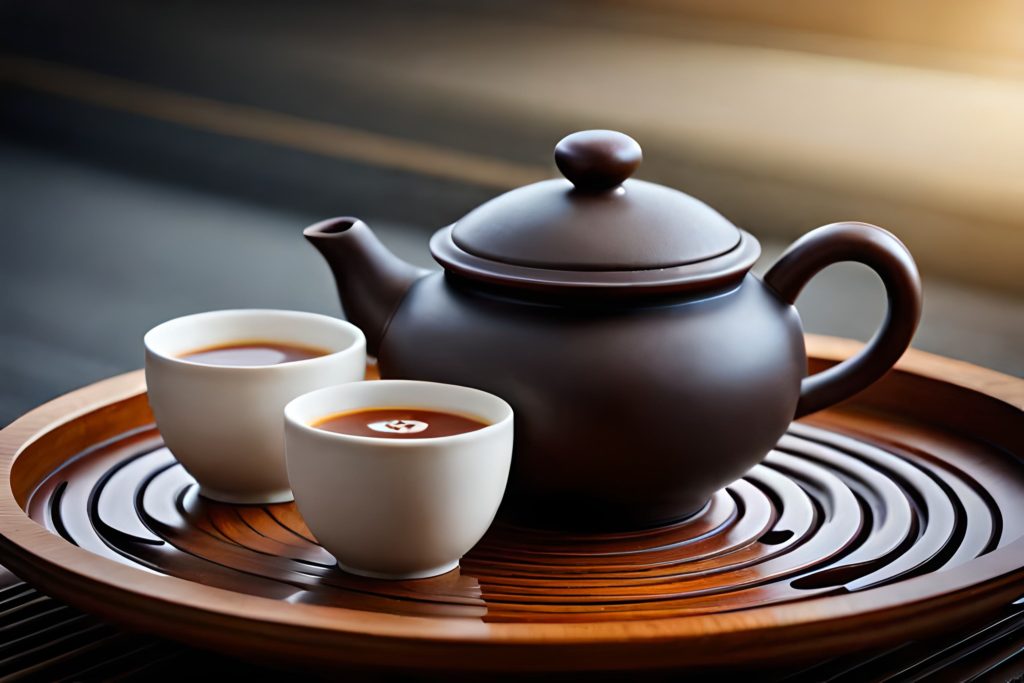
One of life’s simple joys is relaxing with a cup of freshly brewed tea. Brewing and drinking tea can be a wonderful and calming ritual, whether you’re taking a break from a hectic day or just spending some time with friends. But you should realize that the tea’s flavor, aroma, and overall experience depend heavily on how you brew it. Brewing tea properly can be the difference between an average cup and a sublime experience.
Water quality, temperature, steeping duration, and the tea-to-water ratio are only few of the parameters that must be carefully balanced when brewing tea. If you do it well, you’ll have a cup of tea that does double duty as an emotional and gustatory balm. If you make a mistake, your beer may taste bitter or astringent or be too watery to enjoy.
If you’re new to tea, it can be intimidating to dive in. There are so many beers, so many ways to make them, and so many traditions around them that it can be difficult to know where to start. Don’t worry, fellow tea lover! Regardless of the tea leaves’ origin or variety, this essay will walk you through the fundamental processes involved in preparing a delicious cup of tea. If you follow these steps, you’ll be well on your way to being a tea brewing master and experiencing your favorite beverage at its fullest.
Everything from selecting the ideal tea and necessary equipment to learning the intricacies of water temperature, tea-to-water ratio, and steeping duration will be discussed in this post to help you get started on your tea brewing journey. We’ll also talk about how to serve tea properly, how to fix the most common brewing problems, and how to tweak your brewing method until you discover the right cup for your own preference.
Choosing the Right Tea
Understanding different tea types
Understanding the many tea options is crucial for making the ideal cup. While the Camellia sinensis plant is used to make all tea, different processing techniques result in a broad variety of teas with distinct tastes, colors, and scents. To help you get started, these are the six most common kinds of tea:
White tea is the least processed variety of tea, consisting of freshly picked, withered, and dried young leaves and buds. The resulting flavor is light and airy, with a hint of sweetness and floral overtones.
Green tea is prepared by briefly heating the tea leaves in a pan or steamer to kill off any oxygen. Green tea’s signature fresh, grassy flavor and emerald hue are both preserved in this manner.
Oolong tea is halfway between green and black in terms of oxidation level, flavor, and color. Depending on the methods employed, it can have flavors that range from floral and fruity to creamy and toasted.
In order to achieve its dark color and intense flavor, black tea undergoes a process called “full oxidation.” Origin, processing, and blending all have a role in the wide range of flavors found in black tea, from malty and sweet to sharp and astringent.
Like green tea, but with a longer oxidation process, yellow tea is a special and unusual beverage. This is what gives yellow tea its unique yellow color and mellower, fuller flavor.
Pu-er tea comes from China and is fermented using a special microbial aging method. It has deep, earthy flavors as it ages and may be found in both raw (sheng) and cooked (shou) versions.
Learn more about the different types of tea in this post.
Selecting high-quality tea leaves
Quality should be your top priority when selecting tea for that ideal cup. Using premium tea leaves will result in a more satisfying cup of tea. How to choose the best tea, explained:
Loose leaf tea: When available, choose loose leaf tea over tea bags because of the noticeable improvement in quality and flavor. When compared to the smaller, broken leaves often found in tea bags, the flavor of loose leaf tea is released more gradually and uniformly.
Try to find tea that has been stored in an airtight container, away from direct sunlight, humidity, and scents. More of the original flavor and aroma will be present in freshly brewed tea.
Where it came from and how it was processed are both important considerations. Better quality tea should be expected from well-established tea farms and vendors since they will pay more attention to detail during the growing, processing, and packaging stages.
Quality tea leaves will have a uniform look, with few if any damaged leaves or stems, and a pleasant aroma. The aroma should be invigorating and true to the nature of the selected tea.
A perfect cup of tea begins with knowledge of the various tea varieties and the careful selection of quality tea leaves.
Essential Tea Brewing Equipment
A well-crafted cup of tea relies not only on the quality of the tea leaves but also on the tools you use to brew it. In this section, we’ll explore the essential tea brewing equipment that will help you achieve the perfect cup every time.
Teapot or teacup with infuser
Depending on the utensil used, the brewed tea may take on a different flavor and aroma. Porcelain, glass, and ceramic teapots are popular among tea drinkers because they do not change the taste of the tea. Some teapots feature a removable infuser that makes it simple to retrieve the steeped tea leaves. A teacup with an infuser is an easy and convenient way to prepare tea for one.
Tea kettle or water boiler
In order to get the most flavor out of your tea leaves, you need to make sure you heat the water to just the right temperature. A water heater or tea kettle will make short work of this. While kettles that sit on top of stoves still have their fans, electric models with adjustable temperatures are becoming increasingly popular for their convenience and accuracy. You can always be sure your water is at the perfect temperature for your favorite tea thanks to the pre-set temperature settings included in some models.
Measuring spoon or scale
Getting the proportion of tea to water just right is crucial for a well-rounded cup of tea. To get the right amount of tea leaves for your brew, use a measuring spoon or a digital scale. Tea should be brewed with water at a rate of one teaspoon per eight fluid ounces (240 milliliters), or two to three grams per cup.
Thermometer (optional)
Whether you’re using an old-fashioned kettle or just want finer temperature control, a thermometer is a handy accessory. Keep an eye on the water temperature to make sure it’s just right for the kind of tea you’re brewing. Teas like green and white, which are more delicate, might taste harsh if brewed with water that is too hot.
Timer
If you oversteep your tea, you risk ruining its flavor and scent, so it’s important to pay attention to how long you let it steep. You can get repeatable results every time you brew by using a timer, whether it’s a simple kitchen timer or an app on your phone.
Water Quality and Temperature
Importance of water quality in tea brewing
The quality of the water used to prepare the tea is critical. Tea is mainly water, therefore if you use tap water, you may not get the same flavor, aroma, or experience. Tap water often contains contaminants, minerals, and chemicals like chlorine, which can affect the flavor profile of your tea and conceal its subtle nuances.
Use only pure, filtered water to make the best cup of tea. The mineral richness and purity of spring water or filtered water makes it the standard recommendation. Distilled water is not recommended since it does not include any of the natural minerals that enhance the taste of tea.
Determining the ideal water temperature for each tea type
Brewing tea with the ideal water temperature is essential for bringing out the full spectrum of flavors and fragrances in the leaves. To bring forth their individual qualities, different types of tea require water at varying temperatures.
As a rule of thumb, these are some suggested water temperatures for various teas:
- White Tea: 160°F to 185°F (70°C to 85°C) – Delicate white teas benefit from lower brewing temperatures to preserve their subtle flavors and prevent bitterness. Try these: Silver Needle – Davidson’s, Vahdam; White Peony – Valley of Tea, Organic Positively Tea, Shou Mei – Xixi Tea, The Tea Farm
- Green Tea: 160°F to 185°F (70°C to 85°C) – Green tea, like white tea, tastes best when brewed with cooler water. In particular, Japanese green teas benefit from being brewed at the lower end of this temperature spectrum. Try these: Longjing – Davidson’s, Greenhill; Sencha – FGO, Yamasan, Gyokuro – Panteger, Senbird, Matcha – Matcha DNA, Naoki
- Oolong Tea: 185°F to 200°F (85°C to 93°C) – Brewing temperatures and oxidation levels for oolong teas are flexible. The lower end of this spectrum is ideal for lighter oolongs, while the higher end is suitable for darker, more oxidized oolongs. Try these: Tie Guan Yin – Summit Tea, Tian Hu Shan; Wuyi Rock Oolong (Da Hong Pao, Rou Gui) – GOARTEA, Teamotea; Dong Ding – Teawan, Xinqing; High Moutain Oolong (Alishan, Lishan) – Fullchea, Vadham
- Black Tea: 200°F to 212°F (93°C to 100°C) – Most black teas can be brewed with water at or near boiling. However, more delicate black teas, such as Darjeeling, may require slightly lower temperatures to prevent bitterness. Try these: Black Tea – Taylors, Harney & Sons; Assam – Taylors, Davidson’s, Ghograjan; Ceylon – Ahmad, Davidson’s
- Pu-er Tea: 200°F to 212°F (93°C to 100°C) – Both raw and ripe pu-er teas can be brewed with water at or near boiling, allowing the complex flavors to fully develop. Try these: Menghai Dayi – Dayi/Taetea 7572, Dayi/Taetea 7542; Xiaguan – Xiaguan 2016 raw, Xiaguan 1998 ripe
- Herbal and Tisane: 200°F to 212°F (93°C to 100°C) – Herbal infusions and tisanes often require boiling water to fully extract their flavors and beneficial properties. Try these: Chamomile – FGO, Taylors; Peppermint – Handpick, Traditional Medicinals; Turmeric – FGO, Vahdam; Assorted – Taylors, Stash
Keep in mind that these are just suggestions, and that different types of tea may have different ideal serving temperatures. If you want to know what temperature is best for brewing your tea, it’s best to ask the manufacturer or retailer where you bought it. If you want perfectly brewed tea every time, you need a quality thermometer.
Measuring the Tea-to-Water Ratio
General guidelines for different tea types
The ideal tea-to-water ratio is critical for producing a flavorful cup of tea. The ideal number of tea leaves varies with each blend and individual taste. In general, though, you can use the following suggestions for different kinds of tea:
- White tea: 1 to 1.5 teaspoons per 8 ounces of water
- Green tea: 1 teaspoon per 8 ounces of water
- Oolong tea: 1 to 1.5 teaspoons per 8 ounces of water
- Black tea: 1 teaspoon per 8 ounces of water
- Pu-er tea: 2 to 3 grams per 8 ounces of water (as pu-er tea is often sold in compressed form, it’s easier to measure by weight rather than volume)
- Herbal tea: 1 to 2 teaspoons per 8 ounces of water (depending on the blend and ingredients)
These are just suggestions, and different teas may require different preparation methods. For the best results, follow the guidelines provided on the tea’s packaging or by the retailer.
Varying the proportion to one’s liking
The recommendations are an excellent place to start, but keep in mind that everyone has different tastes. The ideal ratio of tea to water will depend on personal preference.
To make a more potent cup of tea, simply add a few extra tea leaves. If the tea is too strong, however, less tea leaves can be added. To obtain the ideal flavor profile, experiment with varying the amount of tea leaves by only a few at a time.
Furthermore, the intensity and flavor of tea might change depending on the type of tea and the quality of the tea that was used to make it. To attain the same flavor with lower-grade or broken-leaf teas, you may need more leaves than you would with a high-quality, whole-leaf tea.
Your knowledge of the appropriate tea-to-water ratio will expand as you try more teas and brew them in different ways. You can learn to make the ideal cup of tea every time with some time and effort spent experimenting.
Steeping Time and Techniques
Suggested infusion times for various teas
The flavor and scent of your tea depend greatly on how long you steep it. A cup of tea that has been oversteeped will be bitter or astringent, whereas a cup that has been understeeped will be weak or tasteless. Some suggested steeping periods for various kinds of tea are shown below.
- White tea: 2-3 minutes
- Green tea: 2-3 minutes for Japanese teas, 3-4 minutes for Chinese teas
- Oolong tea: 2-4 minutes, depending on the level of oxidation
- Black tea: 3-5 minutes
- Yellow tea: 3-4 minutes
- Pu-er tea: 3-5 minutes for raw pu-er, 2-5 minutes for ripe pu-er
Depending on whether it’s raw or ripe, Pu-er tea should be steeped for 3–5 minutes. These suggestions are meant as guidelines only; the steeping times should be modified based on personal choice and the type of tea being brewed. Always use the recommended steeping time and method recommended by the tea’s manufacturer.
Mastering the art of multiple infusions
By re-steeping your tea leaves, or making many infusions, you may maximize flavor extraction and decrease waste. High-end oolong, pu-er, and even some green and white teas benefit well from this method.
Here’s what you need to do to become an expert at many infusions:
Tea leaves retain their flavor even after being steeped multiple times, so you can get started with a shorter first steeping time.
Raise the steeping time of each successive infusion. If your initial steep lasted 2 minutes, you might extend it to 2 minutes and 30 seconds on the next try, then 3 minutes on the next, and so on.
Taste, smell, and look for alterations with each infusion. The best tea leaves can be re-infused numerous times, each time bringing out new layers of taste.
Determine via trial and error the ideal number of infusions for a certain tea. The optimal amount of infusions depends on the quality and type of tea you’ve chosen, as well as your own personal preferences.
Mastering the art of steeping tea leaves is the key to unlocking their full potential and experiencing their myriad nuances. Never be afraid to experiment and alter your approaches as you learn more about tea and find the optimal steeping time and master many infusions.
Serving and Enjoying Your Tea
Pouring Techniques for Optimal Flavor and Aroma
The aroma and taste of your tea will be greatly affected by the method you use to pour it. Here are some easy tips for pouring a great cup:
Teapots and cups should be pre-warmed by swishing hot water around inside them before being used to hold tea. This will help keep your tea at the perfect temperature for longer.
Tea’s delicate smells and scents can be preserved with a little care when pouring it from the kettle into a cup. It’s best not to stir or splash the tea, as doing so will add air bubbles and change the flavor.
If you’re serving more than one person, use a circular motion to pour a tiny bit of tea into each cup before adding more. This guarantees that each person’s cup of tea has the same flavor and caffeine content.
Consuming Tea Alone or with Food
Tea is delicious on its own or with a variety of dishes. In either case, here are some suggestions for enjoying your tea:
It’s best to match tea with foods that have complementary flavors. Green and white teas, for instance, go well with light, airy fare like seafood, salads, and fruit. Black and pu-er teas, which have a higher caffeine content, pair nicely with chocolate, red meat, and heavy pastries.
Choose tastes that stand in contrast to one another to achieve harmony. For instance, a robust oolong or brisk black tea, both of which are relatively bitter and astringent, would pair well with a sweet dessert.
If you want to take your time and enjoy your tea without any interruptions, it’s best to do so in a peaceful and cozy setting. Savor each mouthful for all of its nuance and complexity.
Experimenting with Variations in Brewing Methods
Trying out new brewing techniques might yield fascinating findings and novel flavor profiles. Some suggestions to get you thinking:
To make cold brew tea, simply steep the tea leaves in cold water for as long as you choose. Using this technique, particularly with green and oolong teas, can extract distinct taste components and provide a smoother, less astringent brew.
Experiment with different brewing methods from around the world, including the Japanese tea ceremony or the Chinese gongfu cha. These preparations typically need repeated, shorter steepings to bring out the tea’s full range of aromas and flavors.
You can achieve different flavor profiles by adjusting the steeping duration, water temperature, and tea-to-water ratio to your liking. Keep track of your observations and use them to hone your brewing approach.
Embrace the process of learning to serve and appreciate tea. Always keep in mind that selecting the ideal tea for you is a highly individual and dynamic process.
Troubleshooting Common Tea Brewing Issues
Bitter or astringent tea
Possible causes of an excessively bitter or astringent cup of tea include:
Overextraction occurs when the tea leaves are steeped in water for too long, leading to an unpleasant bitterness. Steep your tea as directed by the manufacturer and modify the time based on your personal tastes.
Too hot water is another culprit in producing bitter tea when brewing. You should use a thermometer to make sure the water is at the right temperature for your tea.
The taste of the tea can be more bitter or astringent depending on the quality of the tea leaves. Better flavor can be achieved by using high-quality loose-leaf tea.
Weak or watery tea
The following variables may contribute to a watery or underwhelming cup of tea:
Tea-to-water ratio: Not using enough tea leaves for the amount of water can result in a weak brew. Adjust the ratio to include more tea leaves, following the general guidelines for your tea type.
Steeping time: If you’re not steeping the tea long enough, it may taste weak. Experiment with slightly longer steeping times, but be mindful not to oversteep and cause bitterness.
Water temperature: If your water is not hot enough, it may not extract enough flavor from the tea leaves. Make sure to use the appropriate water temperature for your tea type.
Muddy or cloudy tea
If your tea appears muddy or cloudy, consider these factors:
Water quality: Hard water or water with high mineral content can cause cloudiness in tea. Try using filtered or bottled water for a clearer brew.
Oversteeping: Leaving tea leaves in water for too long may release more particles, making the tea appear cloudy. Stick to the recommended steeping time for your tea type.
Tea storage: Improper tea storage can lead to a decline in tea quality, potentially causing cloudiness. Store your tea in a cool, dry place, away from direct sunlight and strong odors.
Conclusion
The process of making tea combines art and science. You’ll learn via trial and error what makes the best cup of tea for your palate. Don’t be afraid to make mistakes; that’s part of the fun of discovering new things about tea.
Learning about and developing a taste for tea is an ongoing adventure that can only lead to further wonder and admiration for the fascinating plant that yields the beverage. Keep trying new kinds of tea and reading up on their individual qualities as you hone your brewing skills. Keep in mind that there is an incredible variety of teas out there to try.